
What Nobody Tells You Before Installing an EV Charger at Home
Electric vehicles are becoming a fixture in driveways across the country, and the convenience of charging at home rather than depending on public stations is one of the most compelling reasons people make the switch. But the path from buying an electric vehicle to having a fully functional home charging setup involves more decisions, more technical considerations, and more variables than most new EV owners anticipate when they first start researching their options.
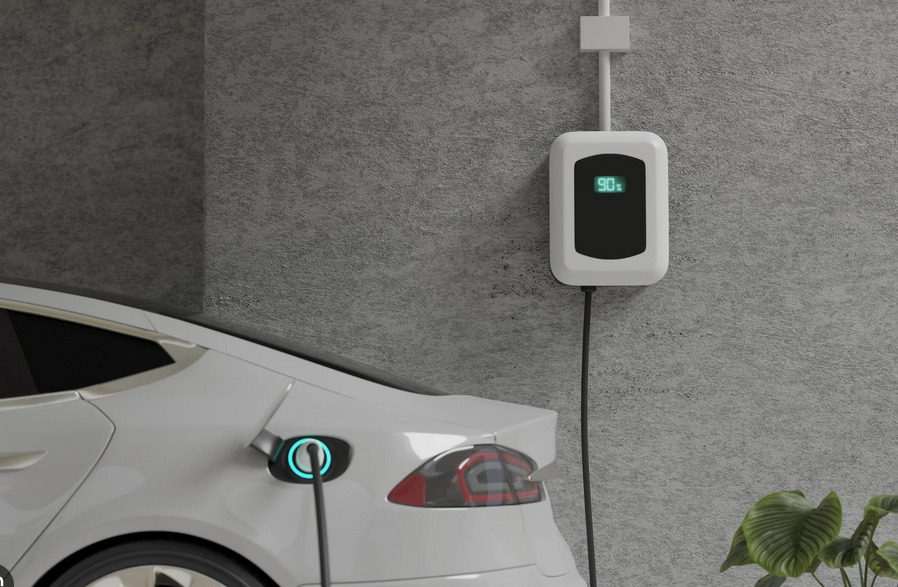
Everything You Need to Know Before Your EV Charger Goes In
A home charging installation is not a plug-and-play upgrade. It is an electrical project that requires the right equipment, the right expertise, and a clear understanding of what your specific property needs to support it safely and efficiently. Homeowners ready to make the leap and invest in EV charger installation Charleston SC will find that going in informed makes the entire process smoother, faster, and far less likely to produce surprises once the work begins.
Level 1 vs Level 2 Charging Is the First Decision to Understand
First and foremost, understanding the difference between Level 1 and Level 2 charging is the essential starting point for any EV owner planning a home installation. Level 1 charging uses a standard household outlet and delivers a slow trickle of power that typically adds only three to five miles of range per hour, which works for drivers with very short daily commutes but frustrates most owners within weeks.
Your Electrical Panel May Need an Upgrade Before Installation
Furthermore, one of the most commonly overlooked aspects of home EV charger installation is the capacity of the existing electrical panel to support the additional load. Older homes with panels rated at one hundred amps or less may not have the available capacity to support a Level 2 charger alongside existing household electrical demands. A qualified electrician will assess the current panel load, identify whether an upgrade is necessary, and ensure that the installation meets all local code requirements.
Permits and Inspections Protect Your Investment and Your Home
Another critical step that some homeowners attempt to bypass in the interest of speed or cost savings is the permitting and inspection process. EV charger installations are electrical projects subject to local building codes, and permits exist to ensure that the work is performed safely and to a standard that protects both the property and its occupants. Unpermitted electrical work can create insurance complications, title issues when the property is sold, and genuine safety hazards that a proper inspection would have caught.
Charger Placement Deserves More Thought Than Most People Give It
Finally, where the charger is physically located within the garage or on the exterior of the property affects convenience, cable management, weather exposure, and long-term usability in ways that become very apparent after installation but are easy to optimize beforehand with a little planning. Considering the parking position of the vehicle, the length of the charging cable, protection from weather elements, and future-proofing for a potential second vehicle ensures that the installation serves your actual daily routine rather than requiring awkward workarounds every time you plug in.
Conclusion: Everything You Need to Know Before Your EV Charger Goes In
To bring it all together, a successful EV charger installation comes down to choosing the right charging level, assessing your panel capacity honestly, respecting the permitting process, and thinking carefully about placement before the first wire is run. These decisions made thoughtfully at the start produce an installation that is safe, efficient, and genuinely convenient for years to come.






Recent Comments